Unpregnant, The Glorias, and Women Directing Women
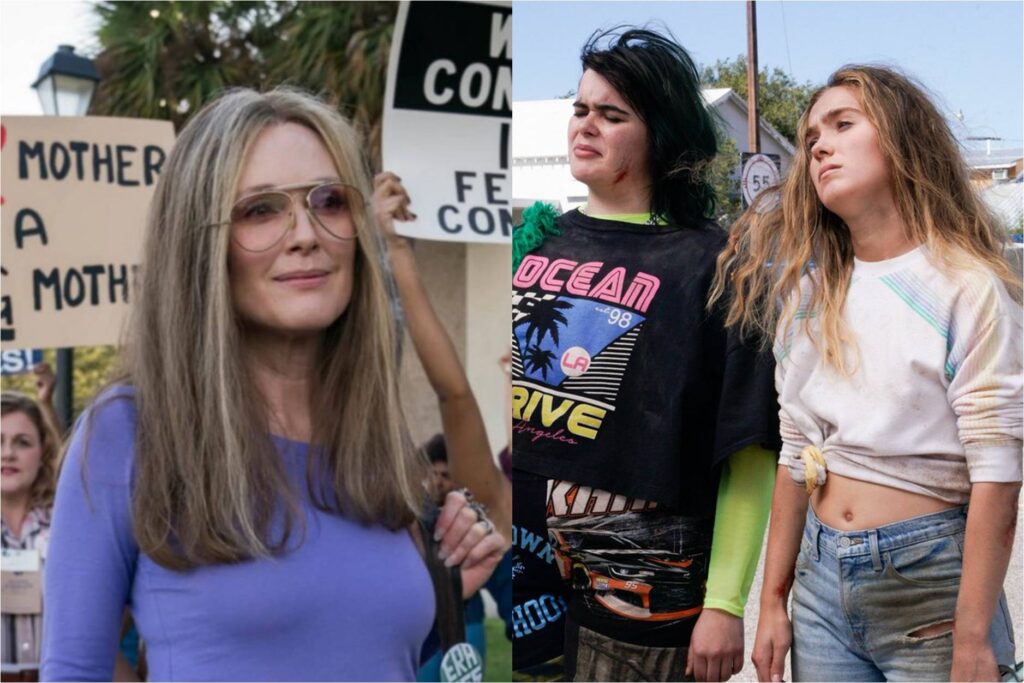
Julianne Moore in "The Glorias"; Haley Lu Richardson and Barbie Ferreira in "Unpregnant"

The COVID-19 pandemic has ruined lives, crippled economies, and paralyzed entire nations, but what has it meant for the movies? The received wisdom is that 2020 has been a lost year for cinema, and there’s a degree of truth to that; I’ve lost count of how many major studio releases have been delayed until 2021 or beyond, and many other films—which ordinarily would have had the opportunity to chase eyeballs on the big screen—were unceremoniously interred in the graveyard that is VOD. But while it’s understandable to lament the movies that this year has taken from us, it’s also important to acknowledge those that it’s given us. The dearth of blockbusters created a cinematic vacuum that was promptly and happily filled by scrappier, less conventional titles: quirky comedies, chilling horror flicks, tender romances, robust actioners. And many of these movies came from a demographic that Hollywood has long neglected: They were directed by women.

Perhaps this has nothing to do with COVID-19; maybe 2020 was already shaping up to be the Year of the Woman even before the coronavirus reached American shores. Regardless of causality, it’s oddly invigorating to survey the year’s best films and to see how many were helmed by women, and with such variety. Consider: the quiet agony of The Assistant and the boisterous fun of Birds of Prey. The contemporary sadness of Cuties and the classical enchantment of Emma. The male friendship of First Cow and the female solidarity of Never Rarely Sometimes Always. (I dissented on both The Old Guard and Shirley, but other critics would surely point to them as well.) Women have always been making good movies, but their collective voice seems to be growing louder now, telling stories of ever-greater urgency and vitality. Read More
Hulu’s “Normal People” Is the Show of the Year

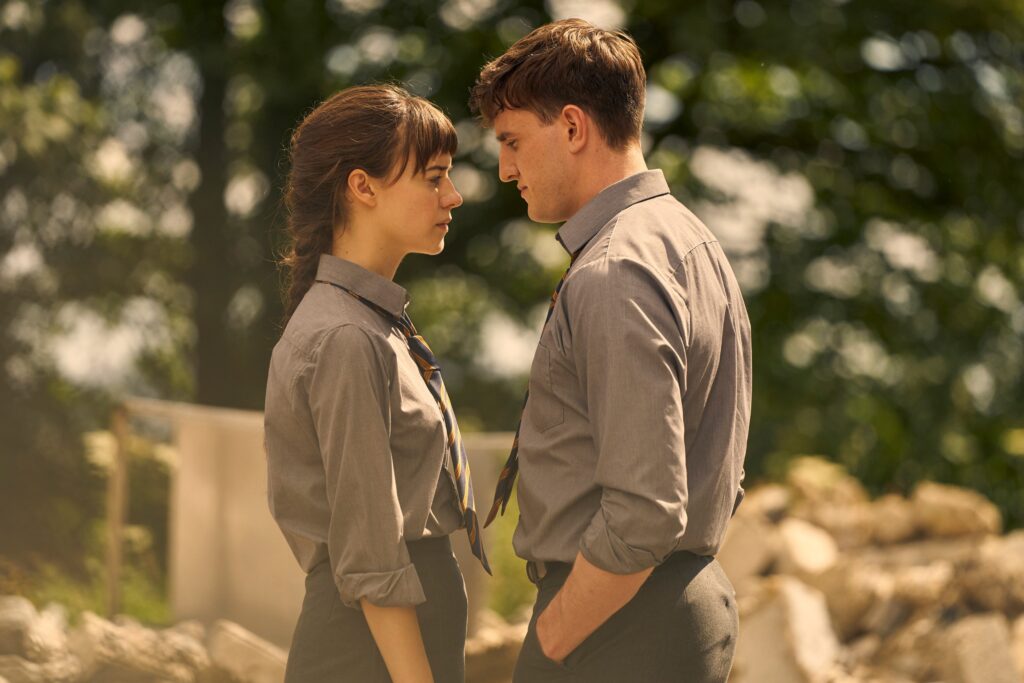
Daisy Edgar-Jones and Paul Mescal in "Normal People"

The title practically demands deconstruction. Are the characters in Normal People… normal? The simple, unsatisfying, entirely accurate answer is that, well, they are and they aren’t. The more complex response requires delving into the thematic contradictions that are inherent in most great works of art. The players at the center of this stupendous new series, which is based on a novel by Sally Rooney, are familiar, relatable, and ordinary. They are also unique, complicated, and fascinating.

The brilliance of Normal People, which Rooney has adapted to television with the help of co-writer Alice Birch and showrunner Ed Guiney, is how it captures the universal qualities of its experiences—love and loss, elation and confusion, falling down and growing up—without sacrificing an ounce of its characters’ individuality. The story that it tells is resolutely intimate, never resorting to false contrivances or cheap melodrama. Yet as it progresses, the series accumulates a certain grandeur, an invisible sweep that magnifies the intensity of its images and emotions. On paper (I haven’t read the novel), Normal People’s boy-meets-girl premise may sound prosaic. But on the screen, with beauty and force, it turns that prose into poetry. Read More

Underrated Movies to Stream, from A to Z

As it paralyzes the world, the COVID-19 pandemic has generated all manner of terrifying questions. Am I going to get sick? Will I lose my job? Are my parents safe? When can my kids go back to school? And most importantly: If I’m going to be stuck at home, which movies should I watch?

The last of these questions may not be the most pertinent or existentially troubling, but it happens to be the one that I’m most qualified to answer. One practical consequence of our collective quarantine is that everyone is firing up their favorite streaming services, seeking to either escape from the world or relate to it by means of entertainment. The darkening of movie theaters may have deprived us of the communal experience—that intangible, alchemical joy derived from absorbing a work of art while surrounded by strangers—but it’s hardly prevented us from watching movies. Read More

Velvet Buzzsaw: Killer Painting. What’s It Worth?

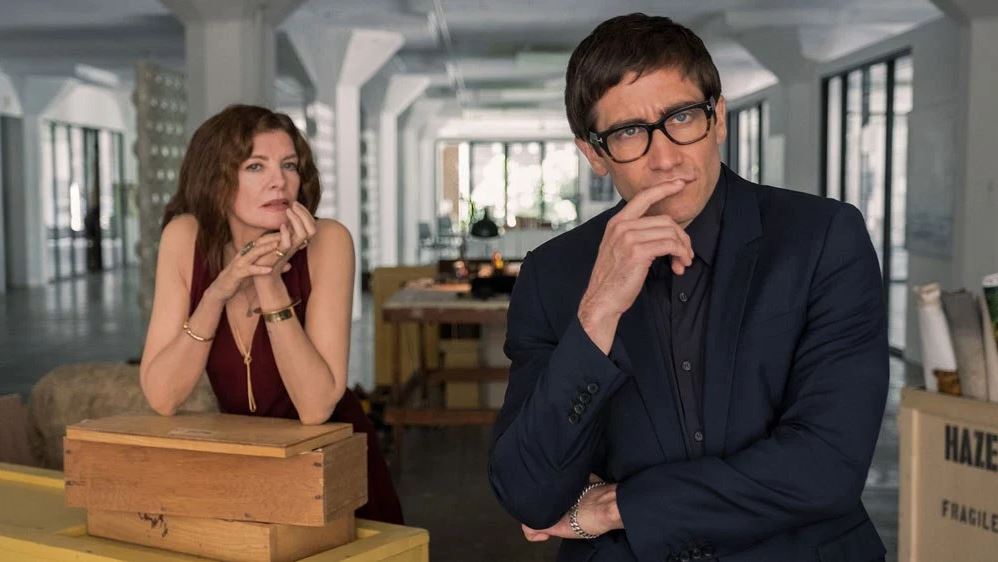
Rene Russo and Jake Gyllenhaal in "Velvet Buzzsaw"

The emperor’s clothes get ripped to shreds in Velvet Buzzsaw, an asinine satire of the modern art scene that paints its targets and its characters in crude, bloody strokes. Written and directed by Dan Gilroy (and distributed by Netflix), it imagines a world full of rubes and sharks, a corrupt ecosystem in which artists, dealers, and critics conspire and compete in their feverish efforts to defraud you, the guileless consumer. It’s a tale of sickly glamour; most of the people we meet in this ugly little movie are extremely wealthy, though their morals are as bankrupt as Gilroy’s themes.

As a satire, Velvet Buzzsaw is profoundly idiotic, but as a halfway-intentional comedy, it is not without its diversions. Chief among those is Jake Gyllenhaal, who in Gilroy’s Nightcrawler delivered the performance of his career as a gaunt, wild-eyed videographer who crept from TV newsrooms into your nightmares. His work here is less unsettling but no less entertaining, full of rococo flourishes that underline his zany commitment. His mania holds your attention even as the film around him burns to the ground. Read More