Ranking Every TV Show of 2025: #s 97-86

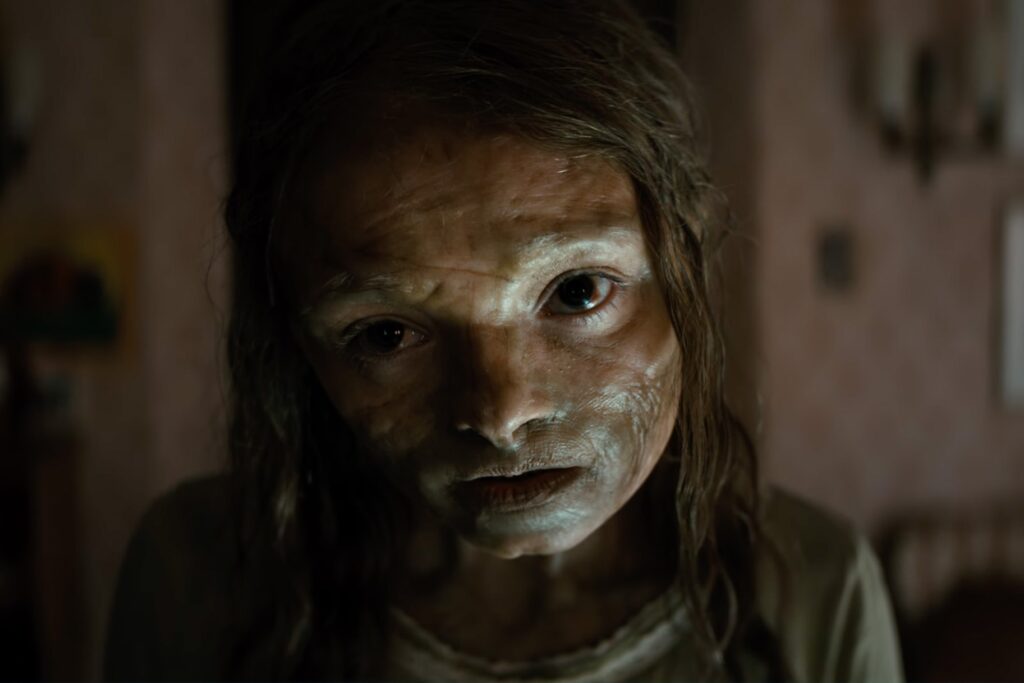
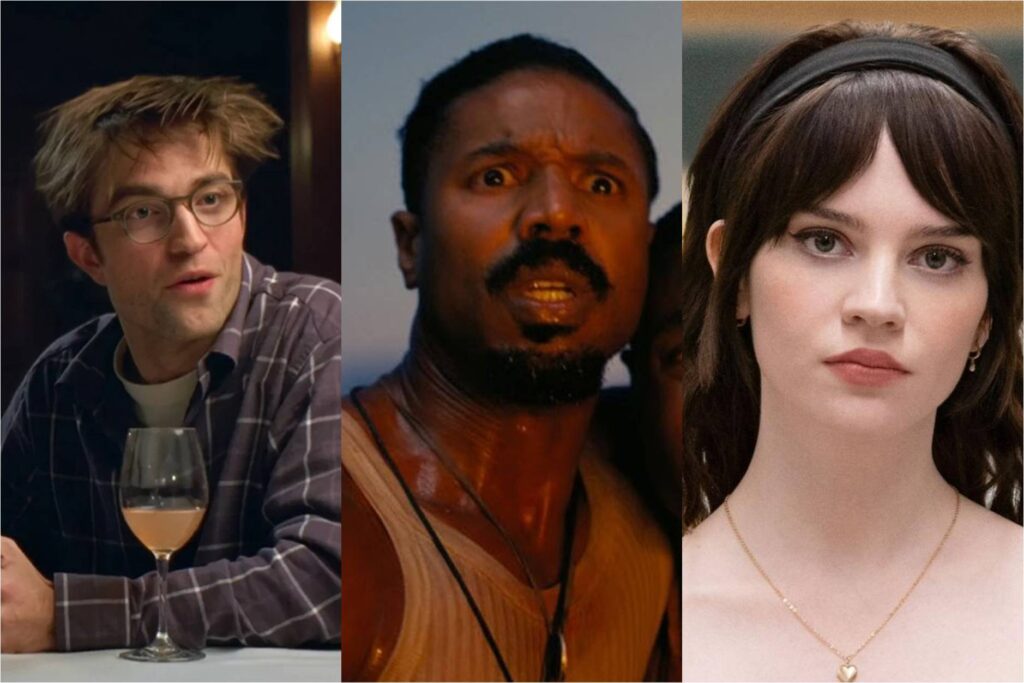
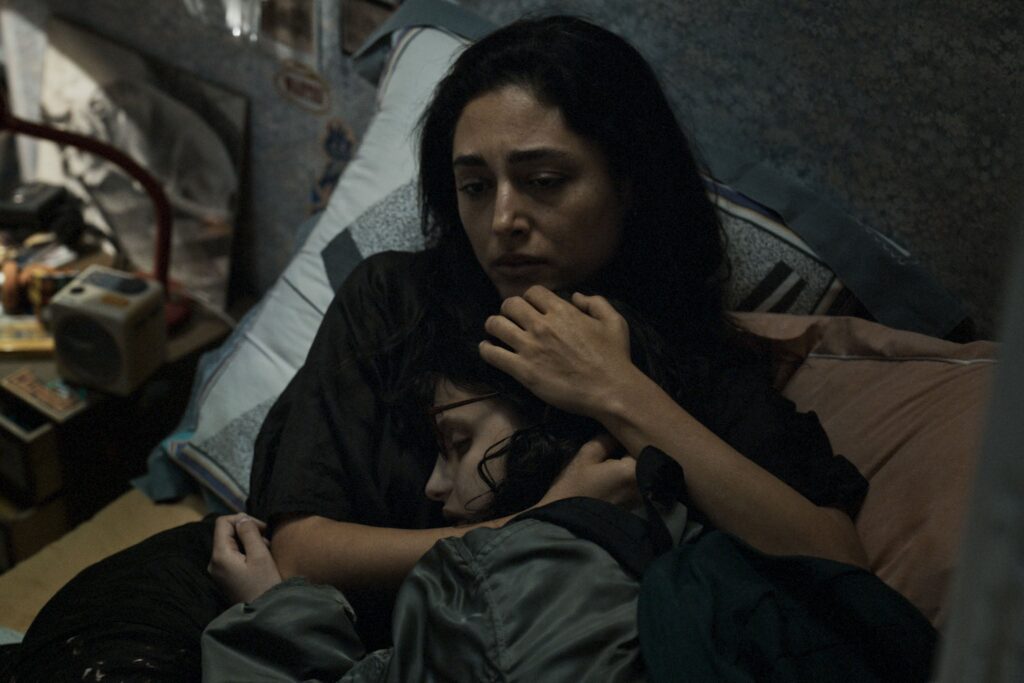
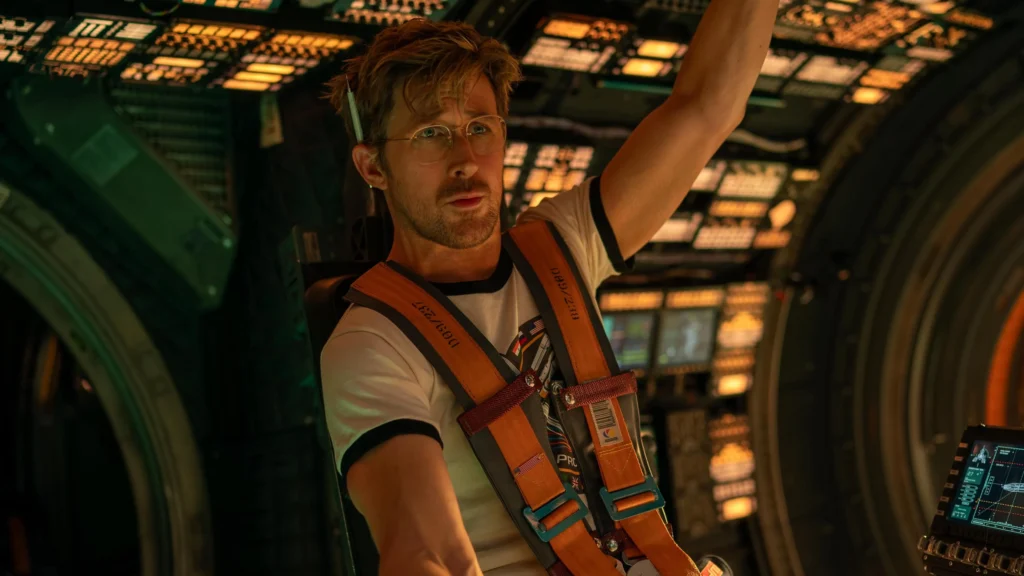
Tim Robinson in The Chair Company; Amanda Seyfried in Long Bright River; Lola Tung in The Summer I Turned Pretty; Alan Ritchson in Reacher; Haley Bennett in The Last Frontier

When you see the word “content,” what do you hear? Emphasize the second syllable, and the homograph functions as an adjective, describing a feeling of satisfaction. But say the first syllable like the name of a famous Star Trek villain, and the word becomes a noun referring to material, substance, stuff. In this form, “content” doesn’t carry any positive or negative associations. It’s just something that’s there.

This is generally not a healthy description of entertainment. The equation of art with content is pernicious—the kind of corporate jargon used by private-equity vampires rather than true creatives. Yet as the streaming wars rage and the subscriber rates stall and the executives start reinventing this idea called cable, it becomes difficult to shake the sensation that contemporary television is trafficking more in mass production than genuine imagination. Another historical drama. Another sitcom. Another murder mystery, or hooky thriller, or fantasy epic. More and more packaged morsels for the algorithm to feed to hungry consumers. It is too much content, too little contentment. Read More

In the Testament of Ann Lee and 28 Years Later: The Bone Temple, Religion Gets Musical

Amanda Seyfried in The Testament of Ann Lee; Ralph Fiennes in 28 Years Later: The Bone Temple

All movies compel suspension of disbelief, but the musical demands an extra dose of willful credulity. In real life, people don’t break into choreographed song-and-dance routines, so appreciating the genre requires accepting the form’s heightened surreality. It’s an act of faith—a gesture of surrender to a higher power whom you trust to guide you through the inexplicable.

This means that musicals about religion create a kind of feedback loop, reinforcing their characters’ spirituality—the belief in the unseen, the quest to convert others through vigorous performance—via their staging and technique. As (ahem) fate would have it, two recent releases toy with this idea, even if neither of them conforms to classical conventions of how movie musicals are meant to operate. Read More

Oscars 2025: Nominations and Analysis

Brad Pitt in F1

Good is bad at the Oscars, at least when it comes to predictions. Gamblers and number-crunchers might be pleased about successfully prognosticating the Academy’s latest slate of honorees. But for those of us who prefer chaos to clarity—who hope that voters might mix in some genuine curveballs alongside all of their safe choices—a high hit rate is less cause for celebration than resignation. Oh, look, the Oscars nominated a bunch of movies everyone expected them to nominate. Again.

Not that this year’s slate of nominees provided a ton to complain about. The Academy’s picks may have been predictable, but they were hardly terrible; for the most part, voters nominated a bunch of good movies, good actors, and good artisans. They also highlighted a handful of foreign features and non-white performers. And they gave two nominations to Avatar: Fire and Ash and zero to Wicked: For Good. It could’ve been worse. Read More

Oscars 2025: Nomination Predictions

Wagner Moura in The Secret Agent

Tomorrow morning, the Academy of Motion Picture Arts and Sciences will announce its nominations for their 98th awards. This will not be the most meaningful news item of the day, nor will it be the one most likely to flood you with rage; even the most devoted Best Original Song fetishists are sure to be more infuriated by real-world developments. In our era of state-sponsored terror campaigns and plotted territorial invasions, the annual ritual of complaining about the Oscars—the boringly safe choices, the bias and entrenchment, the so-called “snubs”—is less cathartic than quaint.

This doesn’t mean that the movies are a distraction; they’re the whole point. In the American utopia—i.e., the opposite of our current political moment—people spend far too much time getting far too angry about far too many dumb Academy choices. If we stop kvetching about the Oscars—which, despite my annual complaints, typically honor films that are at least pretty good—then evil has already won. Read More

Primate review: When It Comes to Blows, Chimping Ain’t Easy

A shot of the ape in Primate

So much for species equality on screen. Over the past decade-plus, in movies like the rebooted Planet of the Apes franchise or the Robbie Williams vehicle Better Man, the computer-generated chimpanzee has been a symbol of evolution and humanity—sad, intelligent, soulful. (Though featuring a different genus, the new blockbusters involving King Kong similarly depict the gorilla as a nice guy.) Yet here comes Primate to lay waste to these fantasies of human-animal harmony. The monkey here may be smart, but he sure isn’t friendly; he’s a fearsome killing machine who uses his mighty strength to facilitate his appetite for brutal, bloody violence. I’m surprised PETA hasn’t called for a boycott.

Not that Ben, the titular beast who is played (sort of) by Miguel Torres Umba, initially seems like a bad boy. He instead presents as the happy and docile pet of Lucy (Johnny Sequoyah), a university student returning to her gorgeous home in Hawaii, where life seems pretty good. Lucy’s late mother was an expert linguist who taught Ben to communicate by punching buttons on a vocalizing tablet, allowing him and others to mash together noun-adjective combinations like “Ben happy” and “Lucy sorry.” Her half-absent father (Troy Kotsur) is the author of a lucrative mystery series with unfortunate titles like “A Silent Scream,” and its popularity has afforded him a swanky beachfront estate that would make the tech bros from Mountainhead jealous. Her younger sister (Gia Hunter) is resentful toward her—apparently for the sin of, I dunno, going to college?—but they quickly patch things up, and Lucy anticipates luxuriating with family, friends, and her favorite furball. Read More