And we’ve come to the end. So far in our Oscars analysis, the Manifesto has analyzed the technical categories (both big and small), the screenplays, the supporting actors, and the lead actors. Now, to wrap things up, we look at the two biggest awards of the night. Read More
And here we are. Thus far in the Manifesto’s Oscar analysis, we’ve looked at the technical categories, including the ones that really matter and the ones that matter a little less; the supporting actor and actress fields; the screenplays; and the lead actors. And now, we come to the two big ones. In a refreshing change of pace from the Oscars’ usual predictability, they’re two of the more uncertain awards of the night.
BEST DIRECTOR
NOMINEES Wes Anderson—The Grand Budapest Hotel Alejandro González Iñárritu—Birdman Richard Linklater—Boyhood Bennett Miller—Foxcatcher Morten Tyldum—The Imitation Game
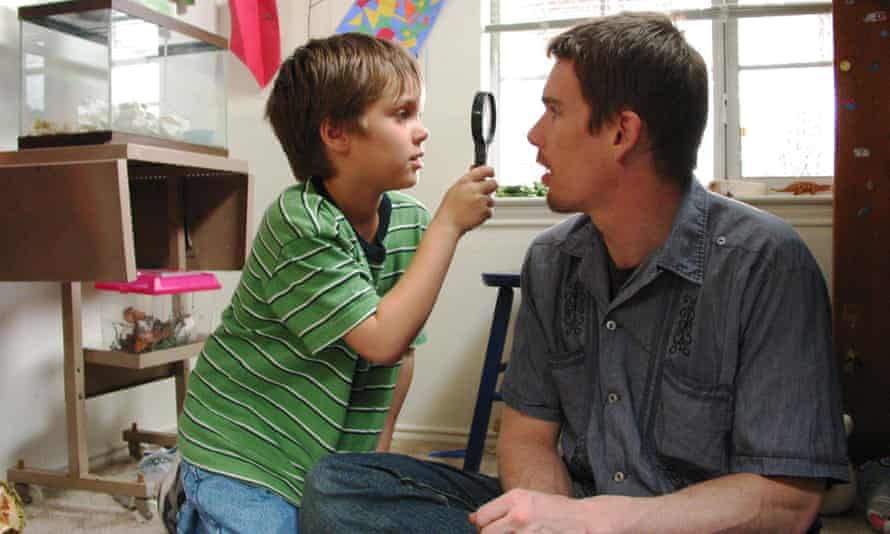
WILL WIN Given how much low-hanging fruit The Grand Budapest Hotel is likely to scoop up over the course of the evening, Anderson has a theoretical shot. But this is really a faceoff between Iñárritu and Linklater, the helmers of the two Best Picture favorites. As it result, it really comes to what Academy voters value in this category. The argument for Linklater is more conceptual than technical; there’s obviously never been a movie like Boyhood, and it took its director’s incredible vision to make it happen. But as recent wins for Gravity‘s Alfonso Cuarón and Life of Pi‘s Ang Lee suggest, the Best Director award is increasingly becoming tied to technical achievement. And as astonishing as Boyhood is in its scope and its storytelling, it’s fairly ordinary in its technical execution, whereas Birdman is a showy and dazzling piece of cinematic artistry. On that score, Iñárritu is the pick. (He also has the guild nod, which hardly hurts.)