Deliver Me from Nowhere, Blue Moon, and the Pleasures of the Biopic Performance

Ethan Hawke in Blue Moon; Jeremy Allen White in Deliver Me from Nowhere

The biopic-to-Oscar pipeline isn’t what it used to be. Sure, slathering on makeup and adopting a pronounced accent is probably still the safest way to catch the Academy’s eye; of the past 10 ceremonies, seven have awarded at least one acting trophy to someone playing a celebrity or historical figure. (You could quibble about including 2015 in this tally, since Leonardo DiCaprio, Alicia Vikander, and Mark Rylance and all won statuettes for portraying people who are real but not exactly embedded in the popular imagination.) But it’s hardly a sure thing. Last year, for example, Timothée Chalamet, Edward Norton, and Monica Barbaro all received Oscar nominations for playing famous musicians in A Complete Unknown, but they all lost to competitors portraying fictional characters (in The Brutalist, A Real Pain, and Emilia Pérez); two years prior, Austin Butler’s flashy reincarnation of Elvis Presley succumbed to Brendan Fraser’s obese writing teacher, a person who wasn’t real in any sense.

Still, the biopic star turn remains appealing to the Academy, and for reasons beyond its membership lazily equating dutiful impersonating with great acting. There is undeniable pleasure in watching a performer trying to embody a renowned individual, using the inherent falseness of their craft to achieve a semblance of truth. Last weekend saw two new releases featuring actors playing 20th-century artists. One of these depictions is conventionally satisfying; the other flirts with the sublime. Read More
Black Mass: Cops and Gangsters, Caught in a City’s Undertow

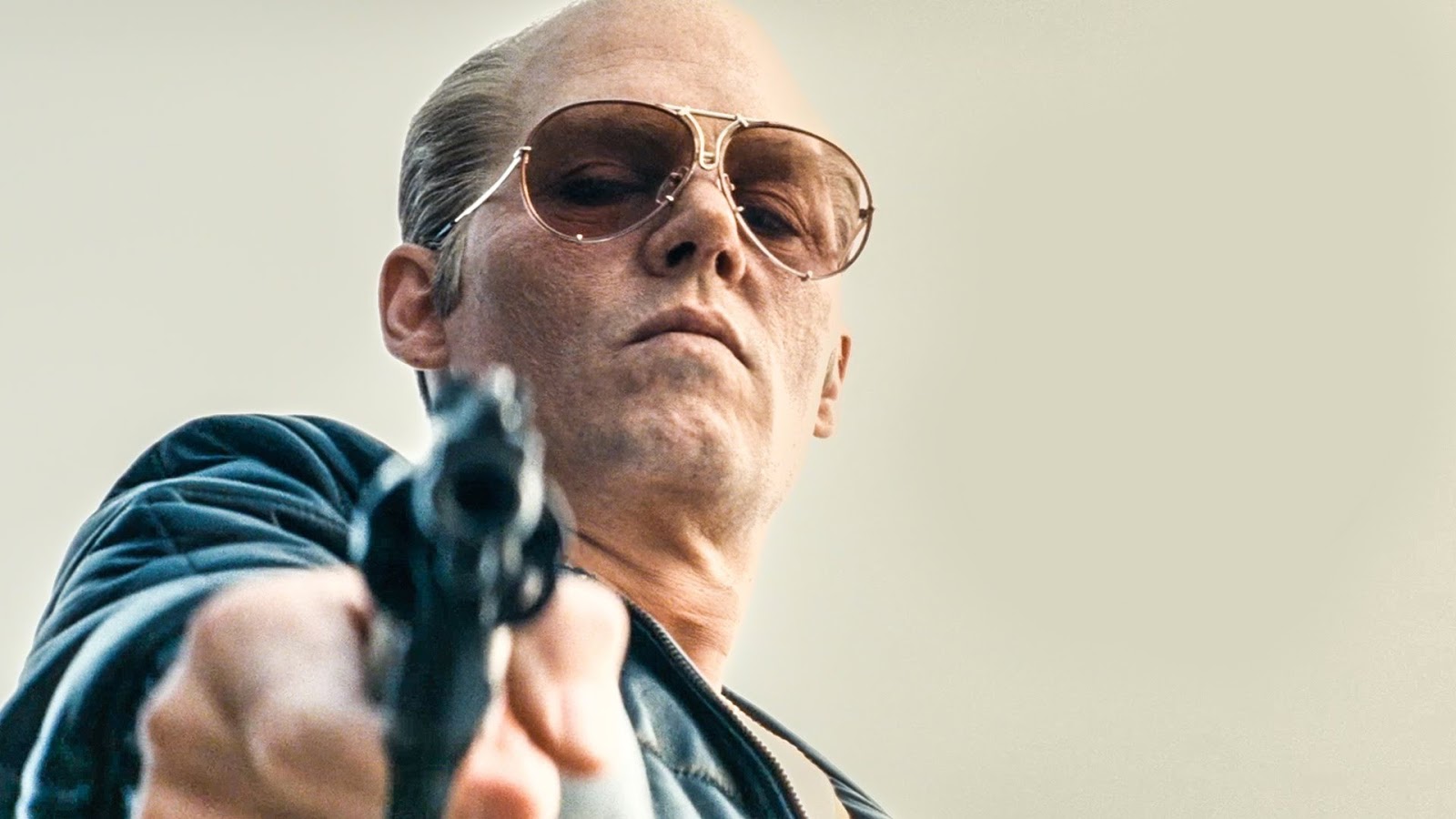
Johnny Depp stars as Whitey Bulger in "Black Mass"

James Whitey Bulger was one of the most notorious mobsters in United States history. What, don’t believe me? Just watch Black Mass, a movie that repeatedly and insistently trumpets Bulger’s legendary place in American gangster lore at every shrill turn. It features no shortage of people, whether harried law enforcement agents or cowed criminal cohorts, braying about Bulger’s illegal exploits and moral contemptibility. Yet the oddest thing about this adequately entertaining movie, which was directed in workmanlike fashion by Scott Cooper and features a dream-team cast, is that for all its vociferous proclamations, it reveals very little about who Bulger was, what he did, or how he eventually became one of the country’s most wanted fugitives. Yes, he kills a few people over the course of the film, and he threatens a few others, and he certainly seems very mean. But to the extent that he ruled Boston’s underworld for two decades as the leader of the Winter Hill Gang, well, you’ll just have to take Black Mass at its word. It presents a litany of testimony swearing to Bulger’s evil, but therein lies its flaw: It tells, but it does not show.

This does not mean that there is nothing to see. To begin with, there is the unforgettable sight of a blue-eyed Johnny Depp. Those eerie cerulean irises (the product of contact lenses), along with slicked-back pale-blond hair and prosthetically rotted teeth, combine to give 2009’s sexiest man alive a truly frightening countenance. And while one might quibble with the subtlety of Depp’s performance as Bulger—which is to say, there is none—it is impossible to deny the ferocious commitment he brings to the role. Often the target of critical ridicule for his unfettered flamboyance (which can, of course, yield spectacular results), he is all business here, those unblinking, alien blues teaming with a snarling Beantown monotone that befits Bulger’s blunt, monolithic persona. He rarely raises his voice, but he is always threatening, whether he’s coolly berating an underling or, in the film’s most quietly terrifying scene, exerting his will over a colleague’s wife. He is not someone you wish to cross. Read More