The Dead Don’t Die: A Zombie Comedy, But the Jokes Are DOA
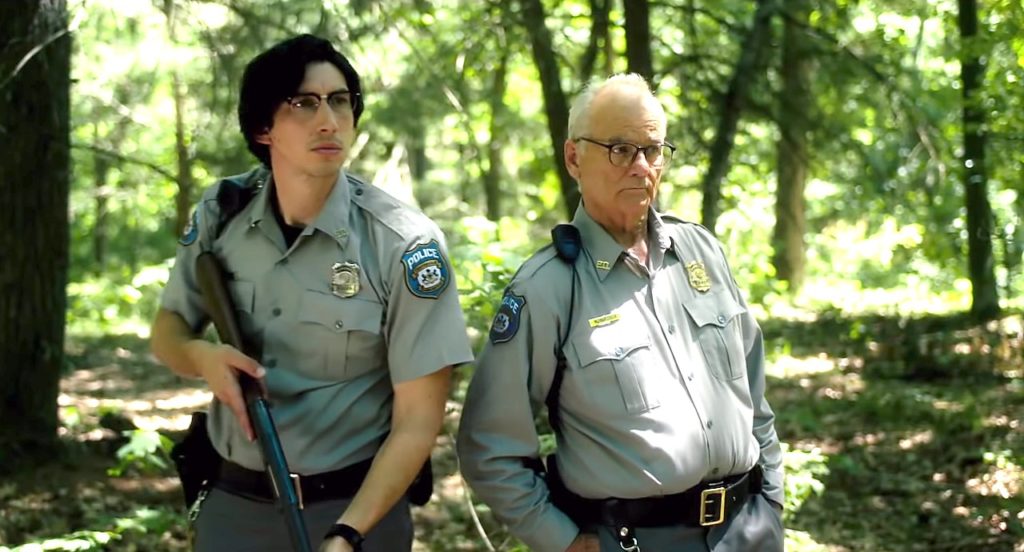
The Dead Don’t Die, the new film from veteran auteur Jim Jarmusch, has been marketed in some circles as a zombie comedy. This description, which could also apply to modern cult hits like Shaun of the Dead and Zombieland, might lead you to believe that the movie is both funny and entertaining. It is neither. In fact, it isn’t really much of anything, beyond maybe a perverse practical joke or perhaps a diabolical social experiment. It’s almost like Jarmusch is trolling his viewers, tantalizing us with the possibility of a top-flight cast, then subjecting us to a parade of bafflingly inert scenes. This isn’t a movie. This is Andy Kaufman reading The Great Gatsby.
If Jarmusch is laughing, he’s the only one. Forced to put a label on the putative comedy of The Dead Don’t Die, I suppose I’d call it meta deadpan, which is already giving it far more credit than it deserves. Actors tend to recite the same lines of dialogue over and over, typically in flat, bored tones. There are lots of references and in-jokes, which try and fail to perform the function of actual jokes. Sometimes people swear; sometimes they yell. Mostly, they exchange mundane observations with a stiffness that masquerades as arch cleverness. Surely the extreme detachment is some sort of feint, right? Guess again. Deadpan humor has rarely felt so lifeless. Read More