You Can See Everything review: Keep Your Friends Theranos
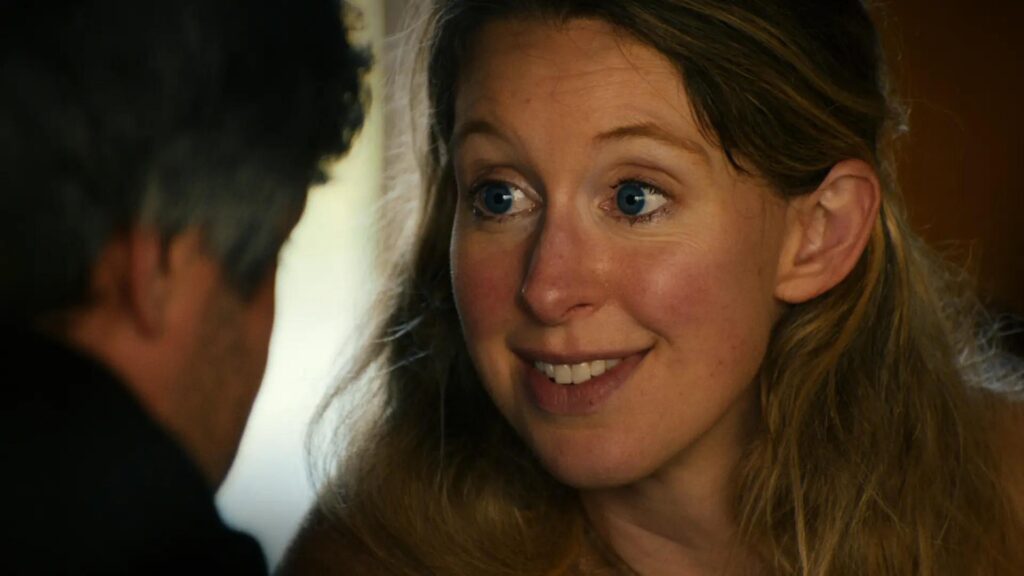
Elizabeth Holmes is a fraud. Nathan Fielder is a freak. Those may sound like vicious accusations, but in Holmes’ case, the charge has been substantiated by a federal jury, which found her guilty in 2022 of swindling investors. As for Fielder, you need only watch a few minutes of any episode of his television work to learn that he’s painfully, pathologically awkward. They would seem to make strange bedfellows. But one of the insights of You Can See Everything, the brain-scrambling documentary that Fielder has made with Lance Oppenheim, is that people can be difficult to pin down, and can surprise you if you make an effort to understand them. Sometimes that effort involves questioning your own assumptions. And sometimes it means following them around with cameras for a solid month.
I’m being more literal than you might think. As a matter of nuts-and-bolts production, You Can See Everything is notable for the startling degree of access that Holmes and her partner, Billy Evans, have granted to the filmmakers. The brunt of the movie takes place in their Del Mar beach house, chronicling the 34 days preceding Holmes’ scheduled surrender at a federal prison in Texas. The couple’s ostensible rationale—which reflects either brazen confidence or breathtaking naïveté—is that an unvarnished depiction of their home life will combat the media’s prevailing narrative of Holmes as a conniving huckster: the reckless woman who duped credulous financiers into believing that she and her healthcare company, Theranos, had invented a nigh magical device which could screen for countless diseases from a single drop of blood. Despite the guilty verdict, she maintains her innocence, and the film practically dares you to ask whether she’s telling the truth. The questions only pile up from there. Read More