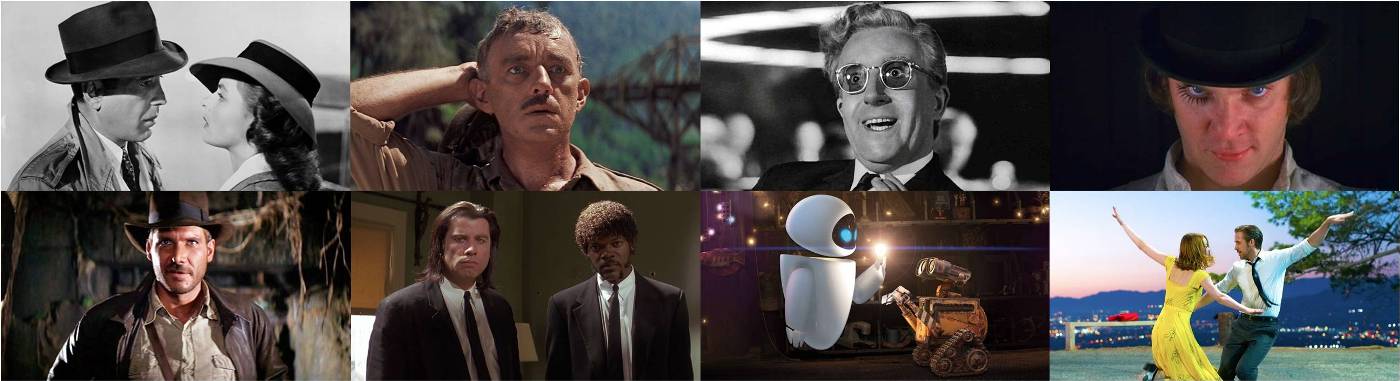
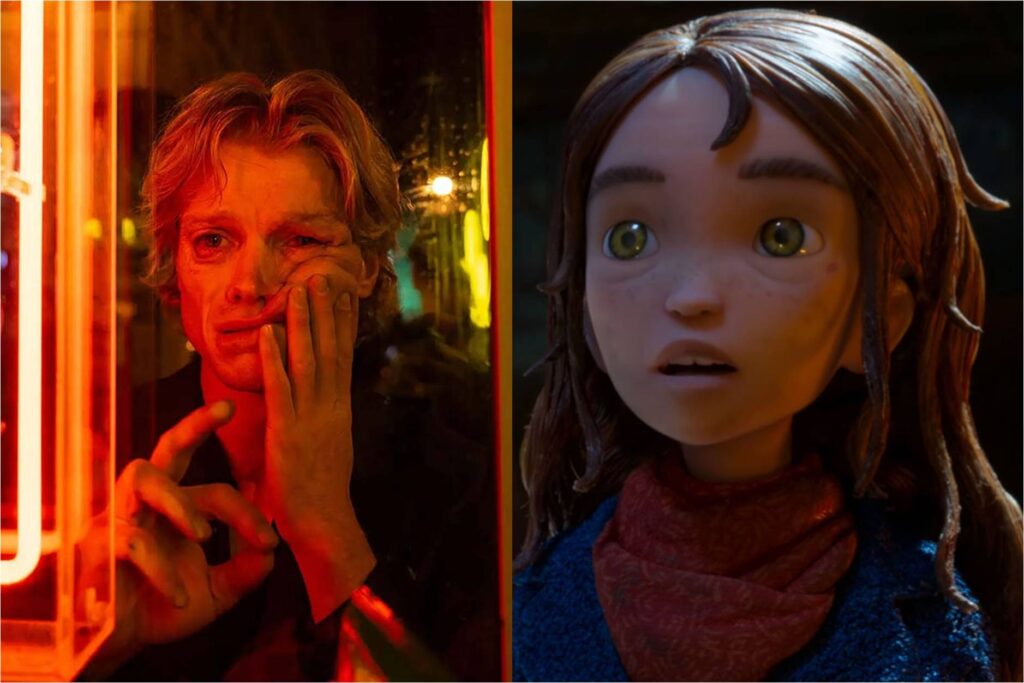
I won’t pretend that Clayface and Wildwood are similar movies. One is a dark, despairing odyssey about a man plagued by demons, external and internal; the other is a vibrant animated children’s tale that venerates both individual pluck and collective camaraderie. Still, the release calendar provides its little serendipities, and despite their tonal polarity, both films traffic in a kind of sorcery, be it couched in the language of comic books or fairy tales. Also, I wanted to write about both.
Directed by James Watkins from a screenplay by Mike Flanagan and Hossein Amini, Clayface represents the third installment in James Gunn’s reconstituted DC Universe, though it’s fair to wonder what percentage of its audience knows this. Sure, much of the movie takes place in Batman’s hometown of Gotham City, but there are no references to Superman or Supergirl, nor any of the fretful fan service or mid-credits stingers that are the hallmarks of the Marvel Cinematic Universe (DC’s ostensible rival). And while the film centers on a famous actor, Clayface himself isn’t exactly an A-lister in comic-book circles. (My lone knowledge of him derives from HBO’s animated Harley Quinn series, where he’s voiced with operatic foolishness by Alan Tudyk.) For a piece of synergized corporate entertainment, it feels less like a spinoff than a footnote.
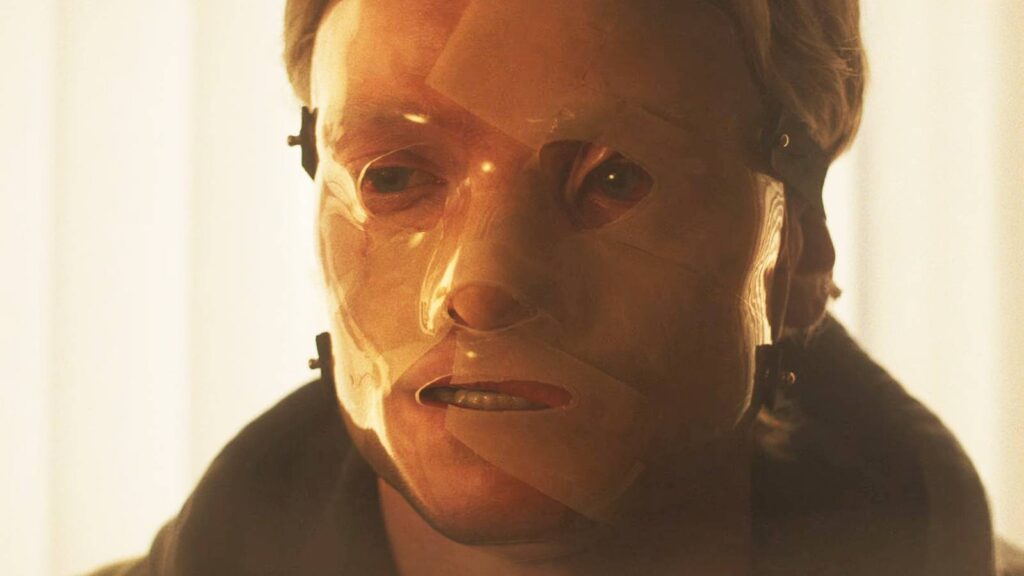
In abstract terms, this is gratifying. A few months ago, trying to drum up excitement for Avengers: Doomsday, Marvel infamously released a “watch guide,” advising viewers to familiarize themselves with 15 extant pieces of intellectual property, confirming that its flagship franchise now resembles a big chunk of homework. Clayface imposes no such barriers to entry. It’s a taut and tidy piece of body horror—one you can easily follow without encumbering yourself with the finer points of spandexed lore. (There’s even some gratuitous nudity—take that, Disney prudes!)
At the same time, the movie embodies its standalone status a bit too comfortably; if it doesn’t stand in Superman’s shadow, it nevertheless fails to carve out its own space. Watkins has a decent pedigree—his Speak No Evil remake was competently redundant, while The Woman in Black was suitably spooky—but he infuses the hellish hijinks here with minimal panache. The actors, with the exception of Naomi Ackie, lack screen presence. Overall, the production feels low-rent—less agreeably small-scale than just insignificant.

The story borrows liberally from Sam Raimi’s Darkman, while also splicing in elements of David Cronenberg. Matt Hagen (Tom Rhys Harries) is a fast-rising Hollywood celebrity, but after he sleeps with a mobster’s moll, he finds his money-making visage brutally disfigured. Desperate to restore his matinee-idol looks, he partners with a doctor, Caitlyn (played by Ackie), for an experimental procedure involving painful injections of sickly red fluids. Things go well until they don’t, and Matt finds himself morphing into a shape-shifting monster whose spasms of rage mirror the capricious violence of a comic-book villain.
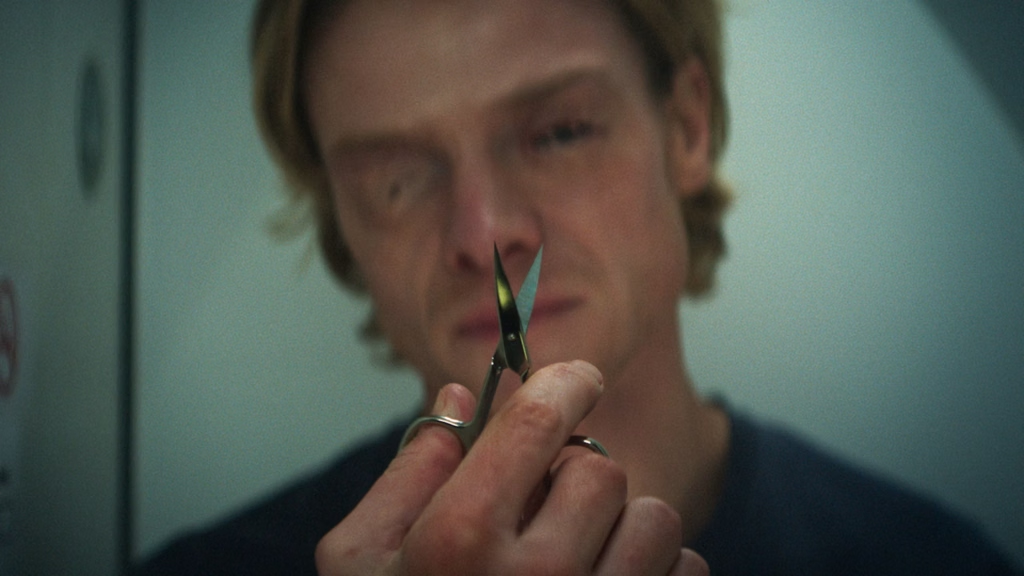
Clayface starts slowly and ends poorly, but in the middle it delivers a handful of moments that capitalize on its degenerative conceit. There’s a stomach-churning scene in a bathroom where Matt, his skin congealing over his eyes, wields a pair of nail-scissors to take corrective action. Later, a menacing set piece at a night club pauses for a bit of stylish dancing, and it’s sufficiently demented to be charming. The movie’s most arresting sequence occurs when Caitlyn studies a sleeping Matt, only for his body to turn into hers—a jarring, oddly sensual shift that teases the troubling psychosexual implications of his condition.
The problem with Clayface is that once Matt masters his powers—essentially, he can adopt the likeness of anyone he chooses, akin to Robert Patrick in Terminator 2—its narrative has nowhere left to go. The romantic tension between Matt and Caitlyn is too forced to be moving, while his Punisher-style crusade unfolds with little intrigue or excitement. Watkins tosses in a few half-clever fake-outs, but although they’re momentarily surprising, they also reveal the movie’s inherent limitations. Invulnerability might help you kill your enemies, but it also nullifies any suspense.
In terms of atmosphere, Clayface aims for a gritty maturity that distinguishes it from more boisterous, four-quadrant superhero fare. It’s a fine goal, but despite some gnarly violence, the execution is faulty, mistaking mere unpleasantness for intensity. (It doesn’t help that Harries, with his creased features, fails to pass as a heartthrob.) It may be dark, but it’s still another forgettable face in the comic-book crowd.
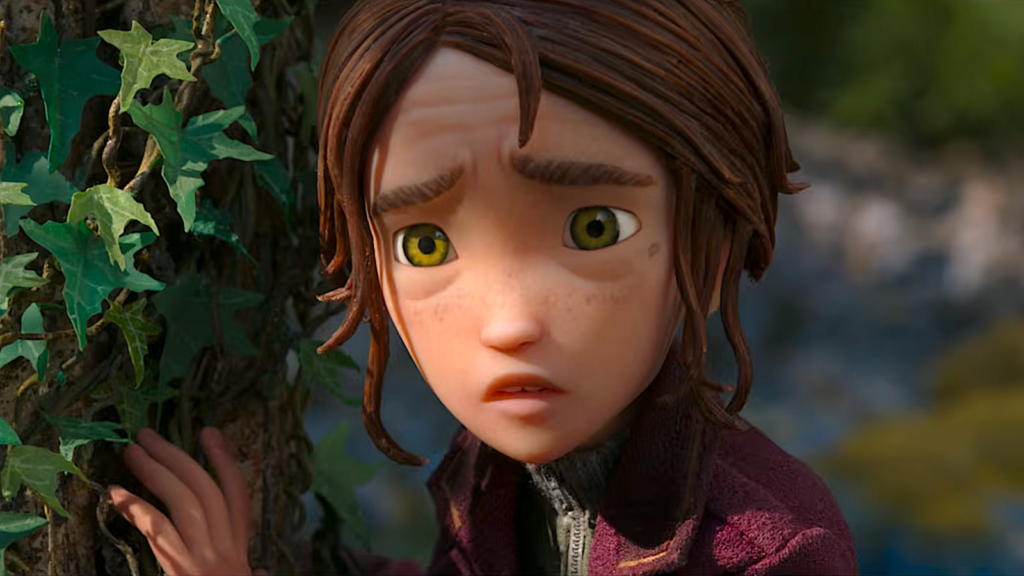
If Clayface is resolutely dour in its modernity, Wildwood strives for the classicism of Hayao Miyazaki. Directed by Travis Knight (Kubo and the Two Strings), it’s proudly old-fashioned in terms of both its technique—the marvel that is stop-motion animation—and its storytelling. There’s a quick early shot of a busker selling wares, backdropped by a sign that reads, “Enjoy handmade art before it’s gone for good!” It’s a tart message, but while the movie carries a solemn sting of foreboding, it is also a work of celebration.
Like most Laika films, Wildwood closes its credits with time-lapse footage of an animator painstakingly adjusting a puppet’s limbs and expressions, revealing in a few seconds the thousands of hours that such an arduous process requires. This alone shouldn’t compel praise; what matters is the quality of the finished product, not the artisanal nature of its construction. Yet the affectionate labor undergirding this movie goes, quite literally, hand in hand with the warmth of its characters and the clarity of its themes.
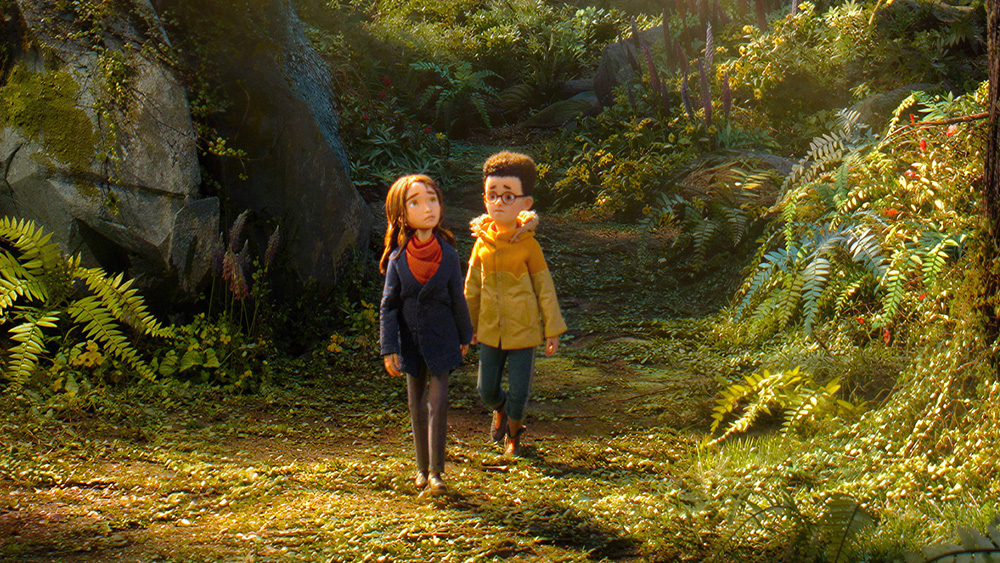
If anything, there are moments in Wildwood where Knight, working from a script by Chris Butler (who adapted the novel written by The Decemberists’ Colin Meloy and illustrated by Carson Ellis), adopts a tone of irreverence that feels discordant. There are some jangly guitars on the soundtrack, Awkwafina plays a cutesy rat, and an early bicycle ride through downtown Portland by the picture’s heroine, Prue—a confident 13-year-old girl who cheerfully endures the overprotective bearing of her parents (voiced by Maya Erskine and Jake Johnson)—evinces a too-cool-for-school attitude that chafes against the surrounding grandeur. But before long, Prue is drawn into the mythical forest of the title, and the movie surrenders any archness in favor of unapologetic sincerity.
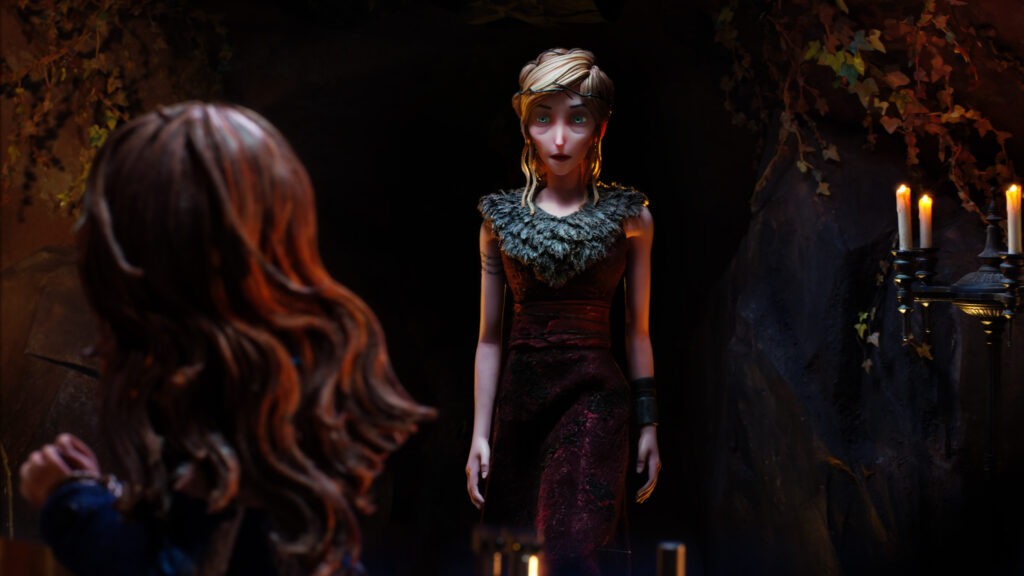
As with Miyazaki’s best films, Wildwood uses it wide-eyed, imaginative invention as scaffolding for a tale of genuine gravity. The plot traffics in kidnapping, suicide, and warfare. After her baby brother is whisked by magical forces into the clutches of a bereaved, vengeful sorceress (Carey Mulligan), Prue (Peyton Elizabeth Lee) resolves to rescue him. Her journey demands that she navigate a serpentine web of dueling factions, myopic bureaucrats, and vicious guards who just happen to take the form of upright coyotes. It’s not easy going. Lessons may be learned, but blood is also spilled.
This doesn’t mean that Wildwood is unduly grim. As befits the movie’s grand scope, Knight and his team have concocted an enchanted land full of whimsy and wonder: rippling ivy, majestic eagles, weeping revenants. But there is an underlying seriousness of purpose that imbues the fantasy with humanity. In a particularly devastating silent sequence, two parents discover that their child is dead, and as they fall to their knees in grief, the veracity of their anguish overwhelms you like a tidal wave.
Not everything on screen is so intense. The character of Curtis (Jacob Tremblay), a bespectacled sidekick who tags along on Prue’s adventure, becomes embroiled in his own escapade, and it veers toward the childish end of the spectrum. (It’s here where Awkwafina’s presence proves somewhat irksome.) But Prue herself, with her green eyes and stout spine, is a terrific heroine, wrestling with guilt while also locating newfound reserves of courage. And Mulligan’s witchy governess is a legitimately scary villain, motivated not by cruelty or greed, but by a bottomless pit of maternal loss. (If her arc resembles that of Elizabeth Olsen in WandaVision and the Doctor Strange sequel, that’s hardly the fault of Butler, who’s working from a novel written years before the Scarlet Witch joined the MCU.)
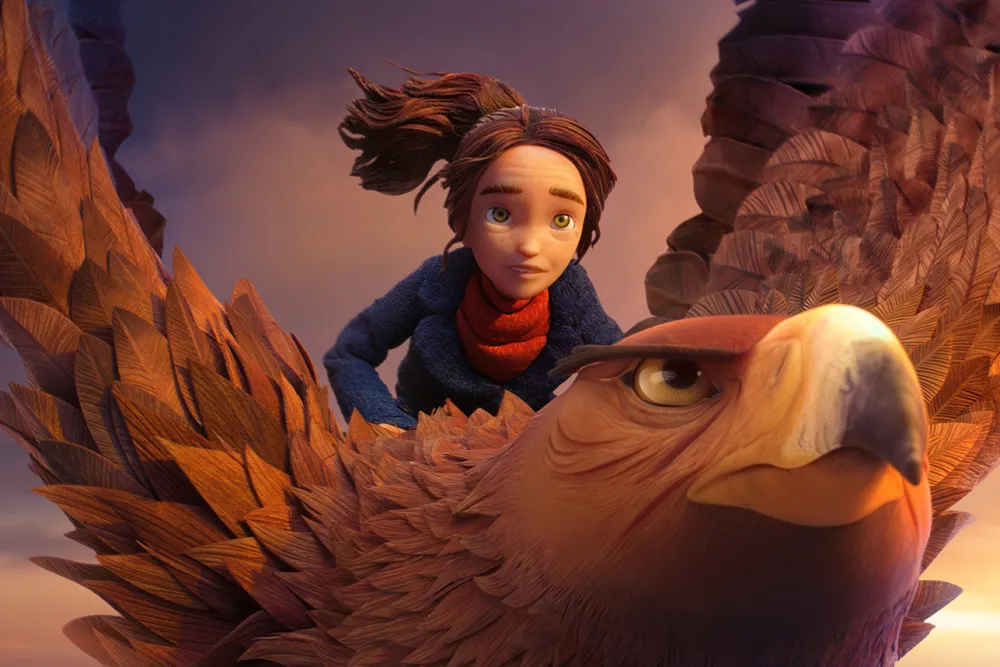
In its final act, Wildwood assumes the posture of a war picture, delivering an ambitious battle sequence reminiscent of Lord of the Rings. This presents a challenge, given the tendency of animated action to feel weightless and phony. But whether because of the tactility of the stop-motion method or the fastidiousness of Knight’s crew, the combat here is vigorous, with a level of violence that’s unusually hard-hitting. There is a real sense of risk at play, and of death as well, even as the climax underlines the value of collaboration and the danger of obsession.
“Prue” is presumably short for prudence, but the ultimate pleasure of Wildwood is its abandonment of caution—its earnest zeal in telling an epic story with bold visuals and sweeping emotions. It’s a tale of talking animals and impossible magic. It’s also a testament to what people can be, and what artists can do.
Grades
Clayface: C+
Wildwood: B+

Jeremy Beck is the editor-in-chief of MovieManifesto. He watches more movies and television than he probably should.