The Best Movies of 2013, #10: Stoker

[Note: The Manifesto has reviewed 89 different 2013 releases up to this point. Some were bad, some were good; some reached for greatness and failed, others didn’t reach at all. In short, it was another year at the movies. To that end, this review constitutes the beginning of our countdown of the year’s 10 best.]

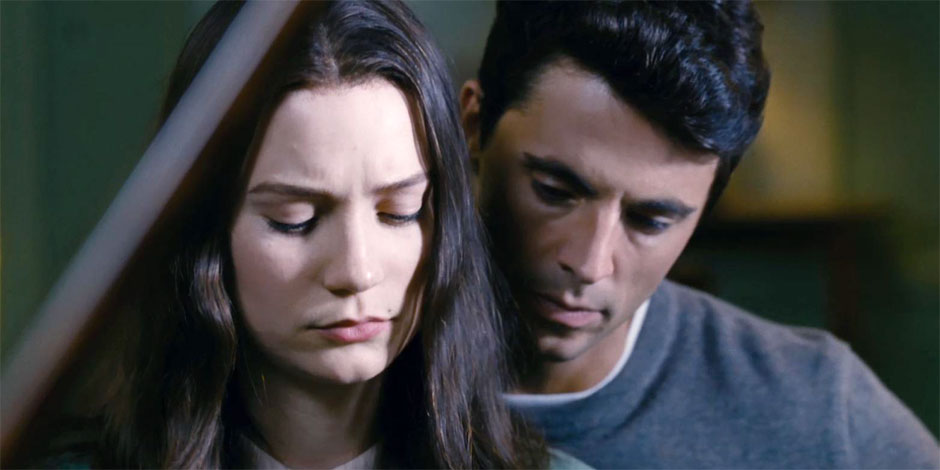
On its face, Stoker, the first English-language effort from the Korean auteur Park Chan-wook, is vulgar to the point of childishness. Its plot traffics in incest and murder. Its central characters are a lecherous uncle, an unhinged mother, and a depraved daughter. It is, without doubt, lurid, tawdry, and obscene. Yet it is also—at least for viewers who admire bold and authoritative filmmaking—provocative, debonair, and sexy. It is pulp entertainment dressed up as high art. Or perhaps it’s the other way around. Either way, it’s spellbinding. Read More

Zero Dark Thirty: Terror, Torture, and Tradecraft

“This is tradecraft,” a CIA operative states at the rough midpoint of Zero Dark Thirty, Kathryn Bigelow’s riveting, exhausting account of the decade-long manhunt for Osama bin Laden. The statement is repeated shortly thereafter by another agency bureaucrat; in both cases, the speaker is explaining the elaborate countersurveillance tactics employed by bin Laden and his cohorts. Both agents are frustrated and worn down, exhibiting a bitterness brought on by years’ worth of sleepless searching that has thus far produced no tangible results. But there is also a sliver of admiration in their assessment of their enemy, a grudging acknowledgement that their quarry know how to do their job, and do it well.
So does Bigelow. Zero Dark Thirty is many things – a gripping procedural, an ambiguous morality tale, a desperate quest for redemption – but above all it is a study of men and women enthralled in their work. And Bigelow, whose prior feature was the similarly magnetic (if entirely different) Hurt Locker, demonstrates a singular appreciation of the motivations of workers striving to accomplish their goals. Yes, her movie is about the successful assassination (or, depending on your point of view, unsanctioned murder) of one of the most formidable terrorists the world has ever known, but it is also about the far more personal journey toward vindication: the pure satisfaction derived from completing a designated task, no matter how monumental. Read More

The king of the world shows us a magnificent new one in Avatar

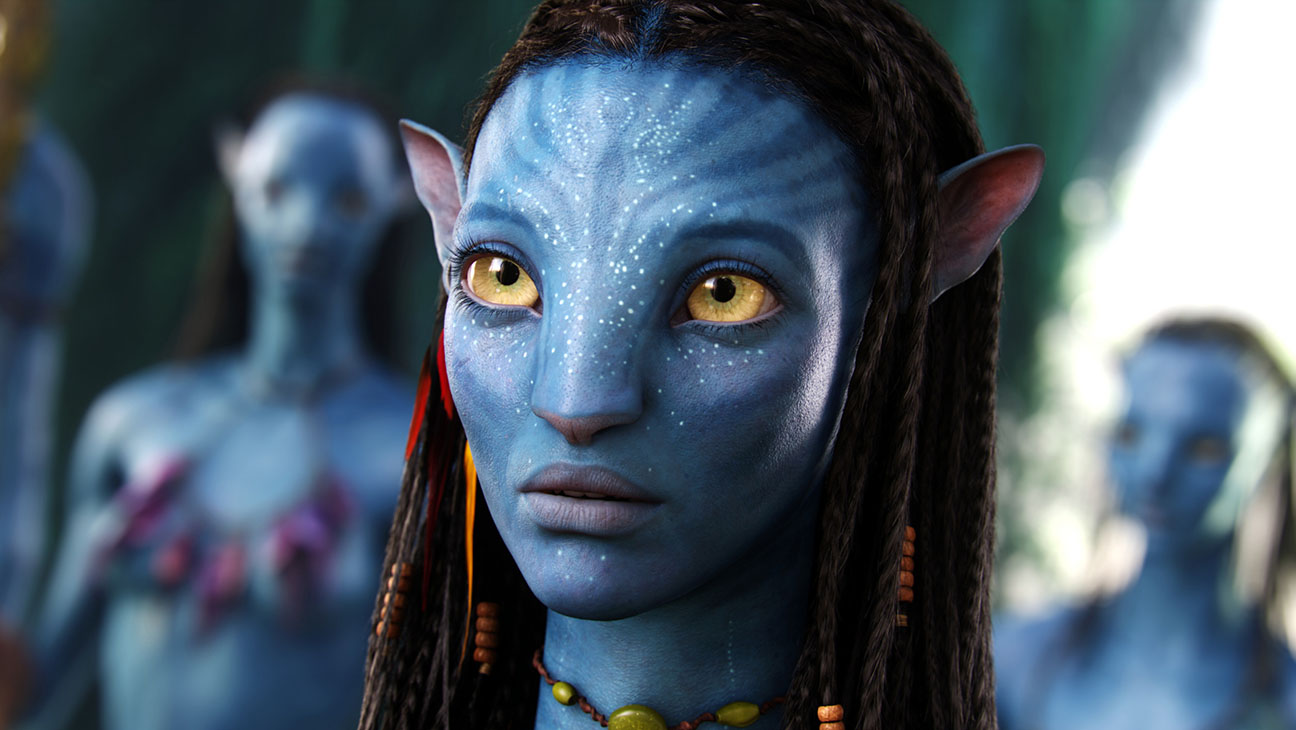
Perhaps the most breathtaking moment in James Cameron’s Avatar – a movie that takes the breath from its awestruck audience with startling regularity – occurs roughly 45 minutes into the film. It introduces us to Neytiri, a blue-skinned warrior with amber-gold eyes and a supple 12-foot frame. Perched gracefully on a tree branch, Neytiri has spotted an intruder (who happens to be Jake Sully, our story’s hero), and she moves silently to eliminate the threat. Pulling her bowstring taut, she is poised to strike when, suddenly, something catches her eye: a wispy, jellyfish-like organism, floating delicately in midair. The ethereal life form drifts toward Neytiri, eventually settling on the tip of her arrowhead. Neytiri, for reasons unknown to us at the time, takes this as an admonition of her combative instinct; she lowers her bow, and Jake Sully is allowed to live a little longer.

This is a beautiful scene. It takes place in complete silence (with the exception of James Horner’s soft, reverent score), yet it constitutes a moment of both exquisite suspense (what will happen?) and slack-jawed wonder (just what are these creatures?), plus it effectively advances the movie’s story. But the scene is particularly noteworthy because it is possible – indeed probable – that none of what we see was ever actually filmed, instead constructed within the confines of a computer. (I use the word “confines” loosely, as Avatar suggests that any alleged boundaries of computer-assisted filmmaking may in fact be illusory.) Yet watching the scene unfold, I never for a moment questioned the authenticity of Neytiri, the tree branch, or the wispy creature. I was simply transfixed on what was happening, wondering who this Amazonian was and why she suddenly refused to kill.
Read More

A moping moon, but some light still shines through

“It was pretty terrible. I really enjoyed it.”

 
That was me, one year ago, on the phone with my father, giving him my brief and not entirely rational assessment of a little movie called Twilight, which has now become America’s latest mega-franchise – the second installment, New Moon, raked in a cool $142.8 million this past weekend, good for third all-time behind The Dark Knight and Spider-Man 3. And while I’m impressed (and more than a tad awed) at the remarkable commercial success of the Twilight films, I have to admit that I’m a little confused as well.
 
Mainstream movie nut that I am, I’m generally a sucker for the studio-manufactured charms of a big-budget, multi-volume, special-effects-laden blockbuster franchise, but I can’t confess to being a devotee of the Twilight saga. Maybe that’s because it isn’t marketed to my demographic (I am not, in fact, a lovesick teenage girl, despite my occasional indulgence in emotionally devastating female-empowerment pop music). More likely it’s that I haven’t read Stephenie Meyer’s books (partly because I hardly read anything these days, partly because even Meyer’s ardent fans seem to concede that the novels are poorly written). But most of all it’s that, in all honesty, I don’t think the Twilight movies are very good.
 
Read More

A child imagines wild things, shrouded in mystery

“I’m expecting your review of Where the Wild Things Are in my inbox by noon tomorrow.”

That was my buddy Brian two days ago, and while he wasn’t offering me a salaried position at a major newspaper in exchange for my commentary, I was nevertheless pleased to learn – as I always am – that someone wanted to know my particular opinion of a film. But he wasn’t the only one. A number of people I know have expressed enthusiasm about Spike Jonze’s adaptation of Maurice Sendak’s beloved book, including those who are rarely enthused about movies.

Of course, this sense of intrigue isn’t unique to my personal sphere of contact; box office estimates pegged Where the Wild Things Are to earn $32.5 million this weekend, which places it eighth all-time among movies opening in October (ignoring inflation). This is, if you’ll pardon the pun, a rare beast. Oftentimes, when intrepid directors resolve to transform a classic childhood text into a movie, audiences tend to grumble. (There’s a reason Encyclopedia Brown has thus far failed to decipher the map to the multiplex.) Yet for whatever reason – perhaps a savvy marketing campaign (the trailer made excellent use of Arcade Fire’s “Wake Up”), perhaps a viewing public starved for an imaginative work – the standard outcry that often accompanies the transfer of a landmark literary work to the screen has in this case been replaced by exuberant anticipation.
Read More