Splitsville, Twinless, and the Offbeat Romantic Comedy

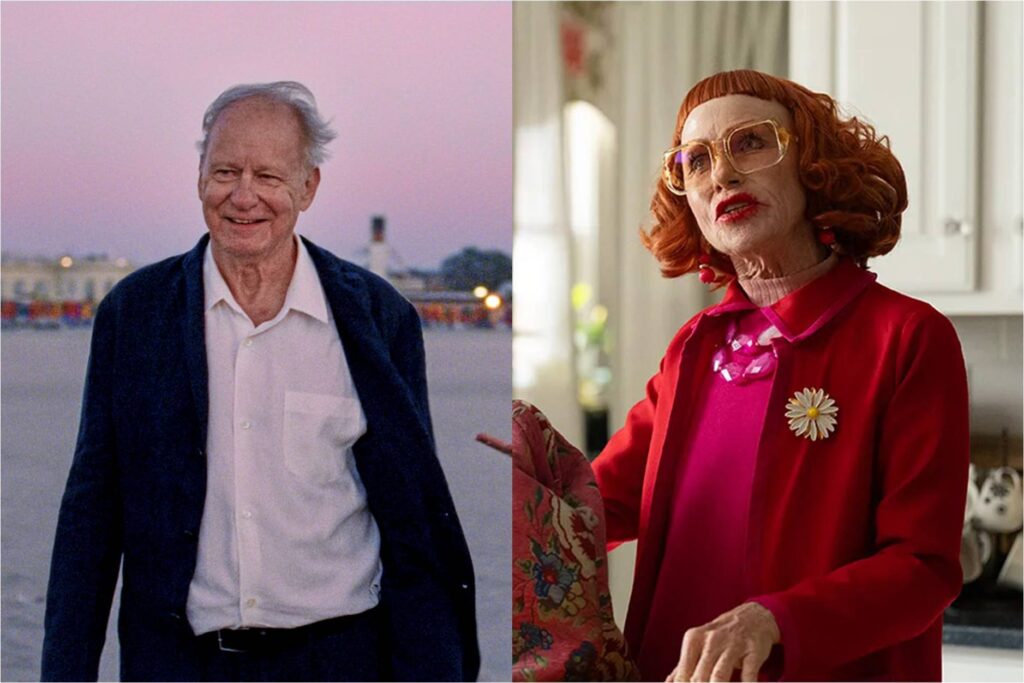
Dakota Johnson in Splitsville; Dylan O'Brien and James Sweeney in Twinless

It’s been a rough two decades for the romantic comedy. Twenty years ago, the summer box office was already showing signs of intellectual-property creep, but nestled amid the Star Wars prequel and the Batman origin story and the Steven Spielberg and Tim Burton remakes were two smash-hit original rom-coms: Wedding Crashers and The 40-Year-Old Virgin. (You could also throw in Mr. and Mrs. Smith, depending on your level of genre pedantry.) In 2025, you need to scroll all the way down to #18 before finding a single romantic comedy, Materialists (and calling that one a rom-com is a bit of a stretch); at a modest $37M, it’s the only rom-com of the year to scrape its way past $3M domestic.

Were studios just waiting to unleash their laugh riots until after Labor Day? Whatever the reason, last weekend saw the release of two new comedies that, while not strictly adhering to rom-com conventions, nevertheless serve as a welcome change of pace for anyone exhausted by all of the comic-book adaptations and animated sequels. Neither exactly set the box office afire, which is a shame, given that one of the pleasures of a well-made romantic comedy is the joy of experiencing collective laughter and heartbreak with fellow patrons. That, and both of these happen to be pretty good. Read More

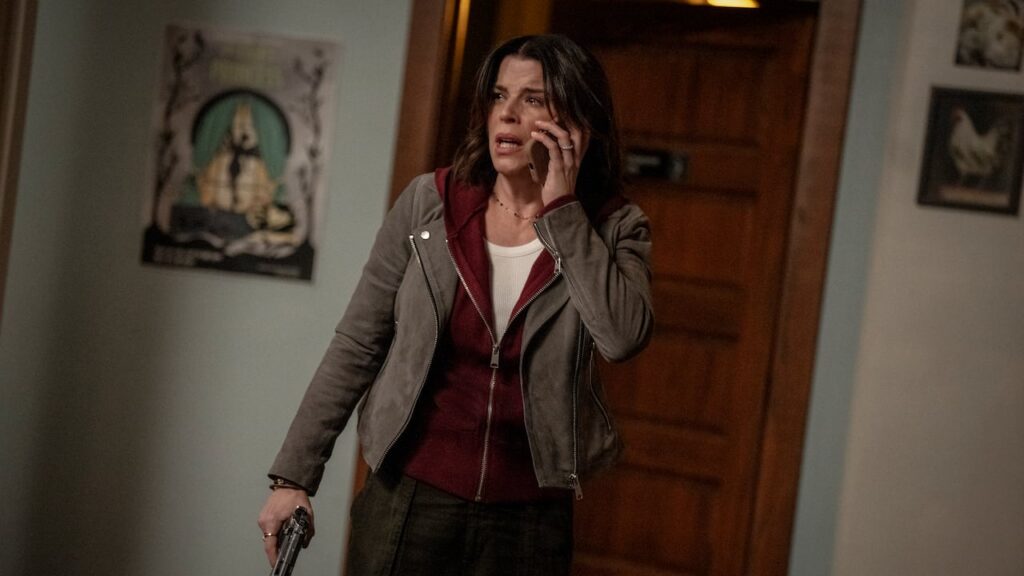
In “Long Story Short,” Jews Will Not Be Replaced

A scene with the full family in Long Story Short

Long Story Short is a surrealistic animated comedy whose plot points include wolves invading schools, mattresses bursting from tubes, and donors misplacing sperm. It’s the most relatable TV show I’ve seen in years.

This dissonance isn’t exactly unthinkable. Raphael Bob-Waksberg, the creator of Long Story Short, is best known for BoJack Horseman, the wonderfully ridiculous Netflix series that anthropomorphized animals and afflicted them with decidedly human problems. Compared to the absurdity of BoJack, Bob-Waksberg’s newest effort can feel downright grounded; there are no talking cats, no underwater festivals, no three kids standing on top of each other in a trench coat presenting as “Vincent Adultman.” But aside from confining its speaking parts to two-legged creatures—there is a cute dog named The Undeniable Isadora Duncan, but it merely barks—Long Story Short resonates with me for a more specific reason: It’s a rich and complex portrait of American Jewishness. Read More

Original Screenplay Weekend, Again: Honey Don’t, Eden, and Relay

Ana de Armas in Eden, Margaret Qualley in Honey Don't, Riz Ahmed in Relay

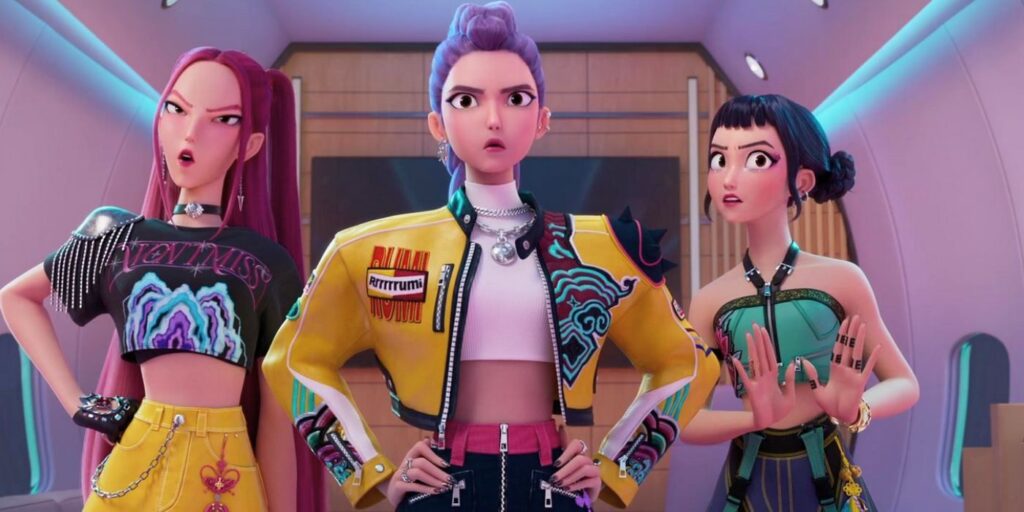
The top grosser at the box office last weekend was a sing-along version of KPop Demon Hunters, Netflix’s animated phenomenon about a girl-pop trio who use their musical talents to battle demons disguised as a boy band. I’m not lamenting this; it’s a mostly charming movie, and it’s nice to see any Netflix product in theaters, even if that company remains philosophically committed to eradicating the very existence of cinema. KPop Demon Hunters is also an original work, meaning its success derives from thoughtful artistry and word-of-mouth rather than by leveraging intellectual property.

Not every new release last weekend was so triumphant. Look considerably lower down the box-office chart, and you’ll find the debut of three movies with original screenplays that combined to gross less than one-third of Demon Hunters’ $19M. (I’m ignoring Splitsville, which played in just five theaters across the country.) When I last performed this exercise in 2021, I expressed gratitude that original pictures had returned to theaters as the industry rebounded from the COVID-19 pandemic. Four years later, I’m less optimistic about our cinematic future. But let’s celebrate (and evaluate) what we’ve got, while we’ve still got it. Read More

Sydney Sweeney Is Not Your Sexpot

Sydney Sweeney in Americana, Euphoria, and Anyone But You

On last week’s episode of Platonic, Seth Rogen and Beck Bennett rhapsodize about the attractiveness of Sydney Sweeney. Their appreciation manages to be simultaneously crude (“She’s stacked”), onomatopoetic (“She’s ridonk-adonk”), and even architectural (“She’s cantilevered, she’s like a Frank Lloyd Wright building”), though Bennett later insists that his admiration is intellectual as well as physical (“She was the head of her high school robotics team!”). It’s a playful sequence that also proves to be vaguely prophetic, because right now Sydney Sweeney is, in pop-culture terms, Having A Moment.

To be clear, I am not referring to her American Eagle jeans ad, which dropped last month and whose purported backlash (read: a handful of people kvetched about it online) ignited a counter-assault of manufactured right-wing outrage (about “wokeness,” or whatever). I’m instead talking about the arc of Sweeney’s career: an ongoing refinement that blends sex appeal, actorly talent, and interesting choices. Put those qualities together, and you have the makings of a true-blue movie star. Read More

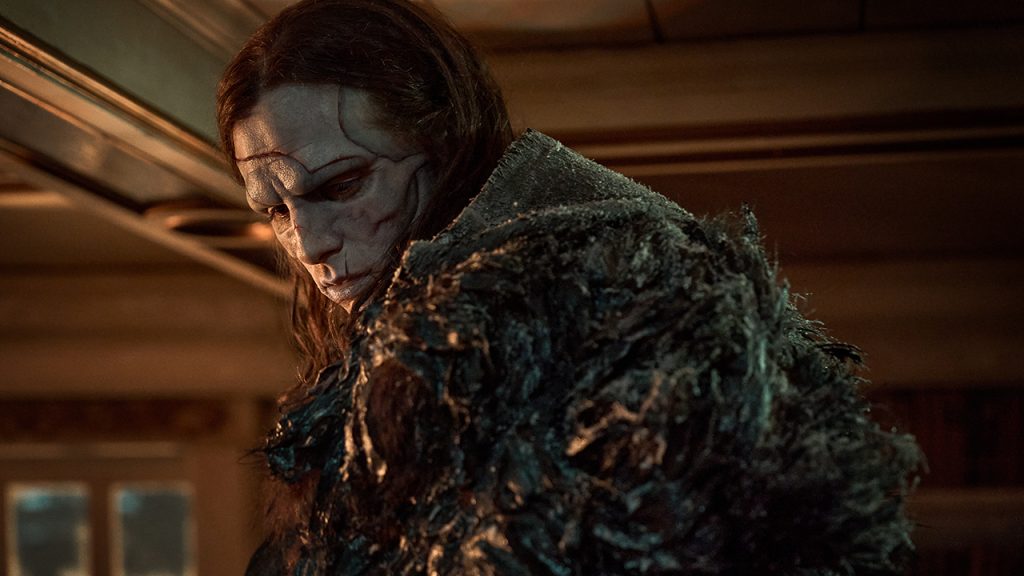
Weapons: From Soup to Guts

Julia Garner in Weapons

The title is plural for a reason. The characters in Weapons brandish any number of destructive instruments—not just guns and knives, but also needles, scissors, forks, teeth, locks of hair, and more. You’ll never look at your vegetable peeler the same way again.

Yet the most potent tool on display here—maybe second-most, given how the use of that peeler has seared itself in my brain—is writer-director Zach Cregger’s craftsmanship. Weapons is a bold and bloody movie, full of ghoulish turns and ghastly violence. It is also a work of consummate skill—a deftly constructed tapestry that weaves imagination, precision, and patience. It’s a beautiful nightmare. Read More